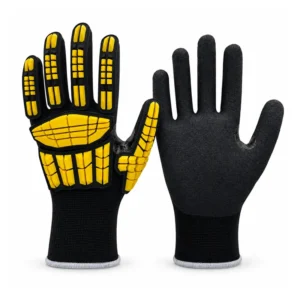
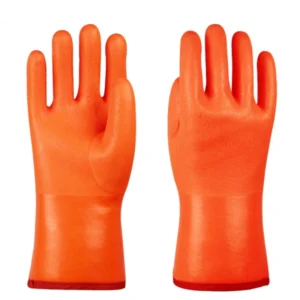
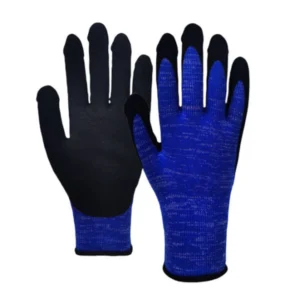
Choose mining work gloves for the specific task, surface, and hand hazards—not for the word “mining” on a label. For rough material handling, assess grip, abrasion, and fit. For sharp edges, verify the cut rating for the exact glove model. Where hands may be struck, consider tested impact protection. Then trial samples in the actual work conditions: wet ore, oily tools, cold weather, and machine maintenance call for different checks. No glove protects against every mining hazard, and gloves may be unsafe around some moving machinery.
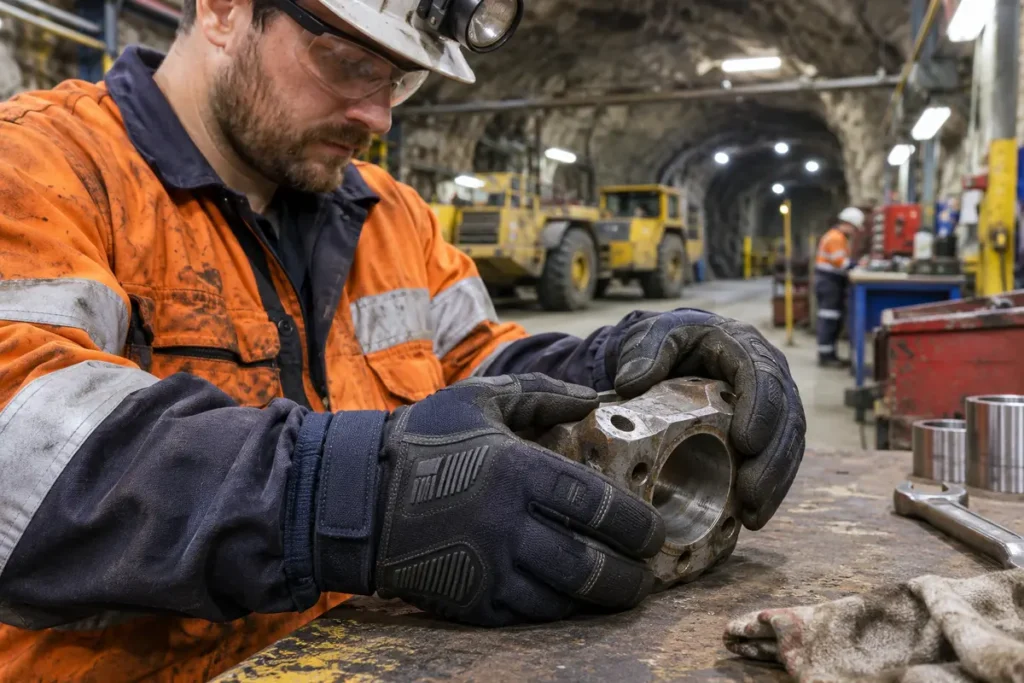
Map the mining task to the hand hazard
A mine may include extraction, crushing, maintenance, transport and processing. The hand risks change between tasks and even between work areas. Start with the site risk assessment and the worker’s actual hand movements. Use the table to create a shortlist, then confirm each glove’s documented performance and suitability with your safety team.
| Work task | What your hands encounter | What to assess when selecting gloves |
|---|---|---|
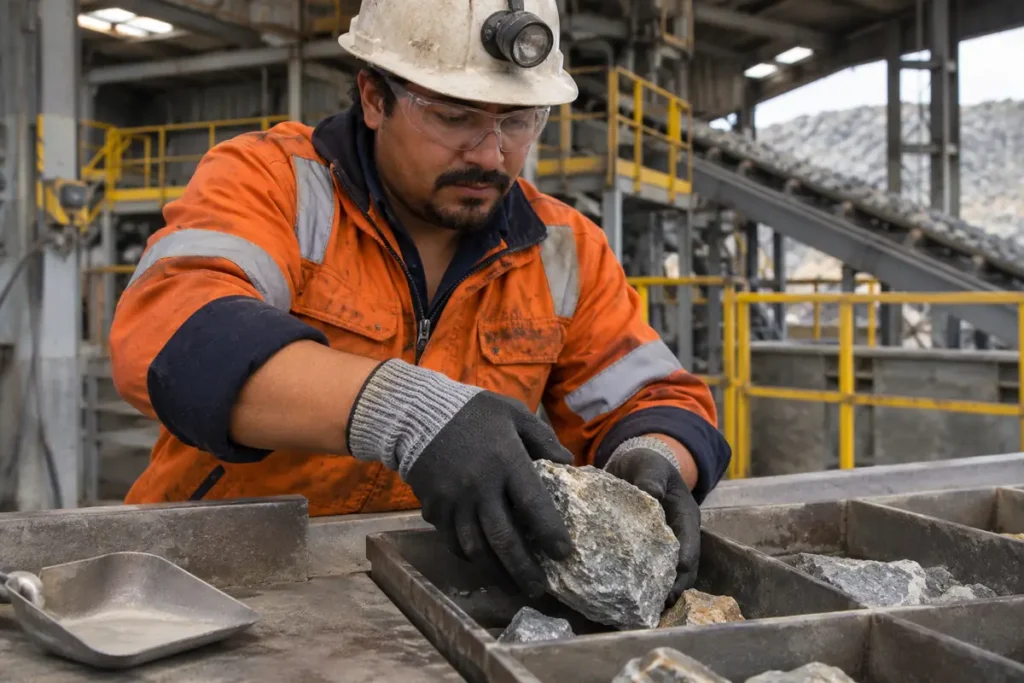
| Moving rock, ore, aggregate or rough supplies | Repeated abrasion, uneven surfaces, load movement | Palm durability, secure grip, fit and fingertip wear |
| Handling sharp-edged parts, cable or metal components | Edges that can cut during carrying, sorting or assembly | Cut performance for the exact model, coverage, dexterity and task method |
| Using hand tools or maintaining equipment | Tool slippage, abrasion, pinch or impact points | Grip, control, fit and impact protection where the risk assessment calls for it |
| Working with oily or wet components | Reduced friction and contaminated surfaces | Coating and grip under the actual contaminant; compatibility with site procedures |
| Working near conveyors or rotating machinery | Potential entanglement and draw-in hazards | Follow machine-specific rules; gloves may be prohibited for some tasks |
Compare the features that affect real-world performance
Grip: test the surface you actually handle
Glove grip depends on the coating, surface texture, contact pressure and the condition of the material. A finish that works on dry tools may behave differently on wet, dusty or oily parts. Ask workers to test samples while handling representative materials and tools. Check whether they can maintain control without gripping harder than usual. Replace gloves when contamination, wear or damage reduces dependable grip.
Abrasion resistance: inspect common wear points
Repeated contact with rough rock and equipment can wear through palm coatings, fingertips, seams and the thumb crotch. During a trial, inspect these areas at the end of representative shifts. A glove that lasts longer in one task may still be a poor choice if it restricts movement or leads workers to remove it.
Cut protection is different from puncture protection
Sharp edges can create cut hazards, while pointed objects can create puncture hazards. A cut-resistant rating does not, by itself, establish puncture resistance. Confirm the relevant test results, glove coverage and hazard type for the exact model. For severe or unusual hazards, use a task-specific assessment rather than choosing by a rating label alone.
Impact protection and dexterity
Back-of-hand impact protection may be useful where the assessment identifies strike or pinch risks. Added guards can change flexibility, fit and tool handling. Trial the glove with the tools, controls and fastening tasks workers use. Confirm that the glove does not interfere with grip, emergency actions or other required protective equipment.
Coating and exposure: do not assume chemical protection
A nitrile-coated glove can offer grip and abrasion performance for some handling work, but a coating does not automatically make a glove suitable for oils, fuels, process chemicals or extended liquid contact. Check the chemical, concentration, exposure time, permeation data and manufacturer guidance. If chemical exposure is possible, have the site safety professional select the appropriate glove category.
How to run a useful glove trial at your site
- Separate jobs by task. Record what is handled, the surface condition, hand movements, exposure, and existing incidents or near misses.
- Shortlist by evidence. Request the exact model specification and current test documentation for any claimed cut or impact performance.
- Include workers in the trial. Compare suitable sizes during representative shifts; ask about fit, grip, dexterity, comfort, and when they would remove the glove.
- Inspect and record wear. Note palm, fingertip, thumb-crotch, seam and guard condition, plus the reason each glove is replaced.
- Set task-specific replacement rules. Replace damaged or contaminated gloves and reassess the choice when tools, materials, weather or work methods change.
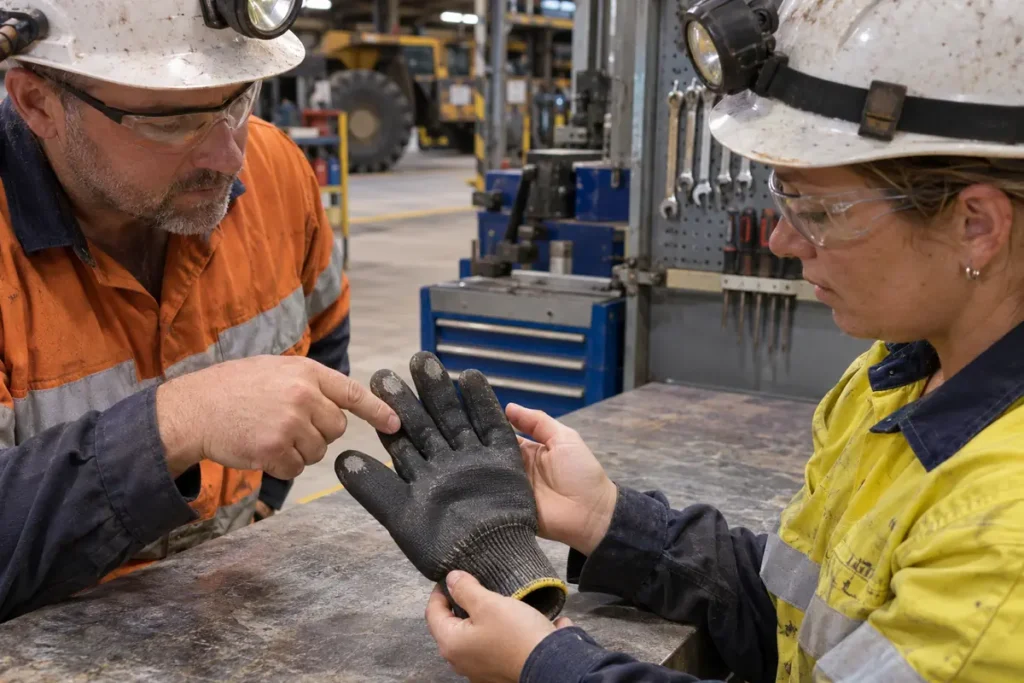
Do not use a short demonstration with clean, dry materials as the only basis for standardizing gloves across an entire mine. Keep trial records by task and work area so purchasing decisions reflect actual conditions.
What mining glove buyers should confirm before ordering
If you buy for a mine, contractor, distributor or private label, send the supplier a written requirement rather than asking only for “mining gloves.” Include:
- Job or task and the hand hazards identified by your site;
- Dry, wet, dusty, oily or chemical contact conditions;
- Required cut or impact performance and the documentation needed to verify it;
- Sizes, colors, cuff style, coating, liner and any back-of-hand protection;
- Sample approval method, packaging, labeling, logo, order quantity and delivery schedule;
- How production batches will be checked against the approved sample.
Request samples before a volume order and retain the approved specification. Ask the manufacturer to notify you before changing materials, coating, construction or factory process. For product options, review Everpro’s impact-resistant work gloves, cut-resistant gloves and steel and metal work gloves. Confirm the exact product’s ratings and suitability with Everpro before ordering.
Frequently asked questions about mining work gloves
What are the best gloves for mining?
There is no single best pair for every mining job. Choose by task and site risk: rough handling may prioritize grip and abrasion resistance, sharp components may require verified cut performance, and identified impact hazards may call for impact protection.
Are cut-resistant gloves suitable for every mining task?
No. Cut protection addresses particular sharp-edge risks, but it does not automatically provide puncture, chemical, heat or impact protection. Check the hazard assessment and the exact glove’s documented performance.
Can you wear gloves around mining machinery?
It depends on the machine and task. A glove can be caught by moving parts. Follow the equipment-specific risk assessment, lockout procedures, and site rules; do not assume gloves are always safer.
Are nitrile-coated gloves oil-resistant?
Not as a blanket claim. Suitability depends on the oil or chemical, contact conditions and the glove’s test data. A nitrile coating may help with some grip and handling tasks, but it is not proof of chemical protection.
What should you request from a mining glove supplier?
Request samples, the exact model specification, applicable test documents, size and packaging details, lead time, customization terms, and written confirmation of how production will match the approved sample.
Further guidance
For general hand-protection selection, consult your site safety professional and the relevant standards for your jurisdiction. The U.S. Mine Safety and Health Administration provides mine safety and health resources; OSHA’s personal protective equipment guidance is relevant to covered U.S. workplaces. Apply the rules that govern your location and operation.