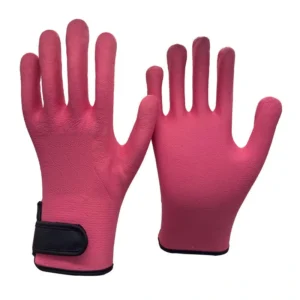
EN 388:2016+A1:2018 helps you compare protective gloves against mechanical risks. The marking can report abrasion, Coupe cut, tear, puncture, ISO 13997 cut and optional impact performance. You should read every position separately because one strong result does not make a glove suitable for every task. The code describes laboratory performance of the tested glove or material; it does not replace a workplace risk assessment, correct sizing or a controlled field trial.
What Is EN 388:2016+A1:2018?
EN 388 is the European standard for protective gloves against mechanical risks. The cited version is EN 388:2016+A1:2018. It is used with the general glove requirements in EN ISO 21420 and within the framework of Regulation (EU) 2016/425 on personal protective equipment.
The European Commission lists EN 388:2016+A1:2018 among harmonised PPE standards. Use the European Commission PPE harmonised standards page to check the current legal reference. A harmonised standard supports conformity assessment, but the glove supplier still needs product-specific technical documentation and the applicable declaration of conformity.
How to Read the EN 388 Marking
The mechanical-risk pictogram is normally followed by four characters and may be followed by one or two additional characters. Read them from left to right:

| Position | Property | Possible marking | What a higher result means |
|---|---|---|---|
| 1 | Abrasion resistance | 1–4 | More abrasion cycles before failure |
| 2 | Coupe cut resistance | 1–5 or X | Higher cut index in the rotating blade test |
| 3 | Tear resistance | 1–4 | More force required to continue a tear |
| 4 | Puncture resistance | 1–4 | More force required for a specified blunt probe |
| 5 | ISO 13997 cut resistance | A–F | More force required to cut through the material |
| 6 | Optional impact protection | P, F or omitted | P means the defined impact test was passed |
An X means that the property was not tested or the test result is not applicable for that marking position. It does not mean zero protection. A missing impact character also should not be read as a failed result unless the report specifically says so.
1. Abrasion Resistance: Levels 1–4
The abrasion test measures how many rubbing cycles the tested material withstands before a hole forms. The result is classified from level 1 to level 4. Abrasion resistance matters when you handle cartons, castings, masonry, cables or rough metal components.
Do not use the abrasion level as a substitute for cut resistance. Coating formulation, coating thickness and the location of the tested specimen also affect real wear. Ask whether the reported result applies to the palm, back or another part of the finished glove.
2. Coupe Cut Resistance: Levels 1–5 or X
The Coupe test uses a rotating circular blade moving back and forth over the material. The result is expressed as an index and classified from 1 to 5. Some high-performance fibres can dull the blade, making the Coupe result unreliable. In that situation, the marking may show X in the second position and the ISO 13997 result becomes the relevant cut classification.
You should not compare a Coupe level directly with an ANSI A-level. The test equipment, method, and classification system differ. If your customer needs both EN 388 and ANSI/ISEA 105 claims, request reports for both methods. Our ANSI/ISEA 105-2024 glove ratings guide explains the North American system.
3. Tear Resistance: Levels 1–4
Tear resistance measures the force required to propagate a tear in the tested sample. A higher level means the material resisted a greater force under the test. This property can help you compare durability around snags and damaged edges, but it is not a measure of cut or puncture protection.
Very high tear strength is not automatically desirable in every application. Where entanglement is possible, glove use must follow the machine-specific risk assessment and safe operating procedure.
4. Puncture Resistance: Levels 1–4
The EN 388 puncture test uses a specified blunt probe. It does not measure resistance to hypodermic needles, fine wire or every sharp point found at work. Recycling, waste handling and medical-waste tasks may require separate needlestick evidence.
Do not infer puncture protection from the cut result. A glove can have a strong ISO 13997 cut level and still perform differently against nails, splinters or fine metal wire.
5. ISO 13997 Cut Resistance: Levels A–F
ISO 13997 uses a straight blade and determines the force needed to cut through the material over a defined travel distance. EN 388 reports the result as a letter from A to F.
| ISO 13997 level | Cut force |
|---|---|
| A | 2 N |
| B | 5 N |
| C | 10 N |
| D | 15 N |
| E | 22 N |
| F | 30 N |

The letter is a classification, not a promise that the glove is cut-proof. Blade sharpness, contact angle, applied force, repeated contact, contamination and coating wear can change workplace performance. Use our cut-resistant glove level selection guide to connect test results with task conditions.
6. Optional Impact Marking: P, F or No Character
If the glove passes the optional impact test, the sixth position can show P. F can be used when the test was performed and failed. When the impact test was not carried out, the character may be omitted.
This EN 388 impact marking is different from the three performance levels in ANSI/ISEA 138. If back-of-hand impact is a major hazard in oil and gas, mining or heavy construction, review the complete impact report and read our impact-resistant glove standards guide.

How to Verify an EN 388 Claim Before Buying
- Match the exact product. Confirm the model number, liner, coating, cuff and size range.
- Read all marking positions. Record numbers, letters, X and any impact character in the correct order.
- Request the report. Check the laboratory, test methods, specimen description, results and issue date.
- Check EU documentation. For products placed on the EU market, review the EU declaration of conformity and the relevant PPE category and certification route.
- Inspect the marking. The glove and packaging information should identify the manufacturer or responsible economic operator, product reference, size and applicable standard.
- Run a controlled field trial. Evaluate fit, grip, dexterity, contamination, wear and task-specific hazards.
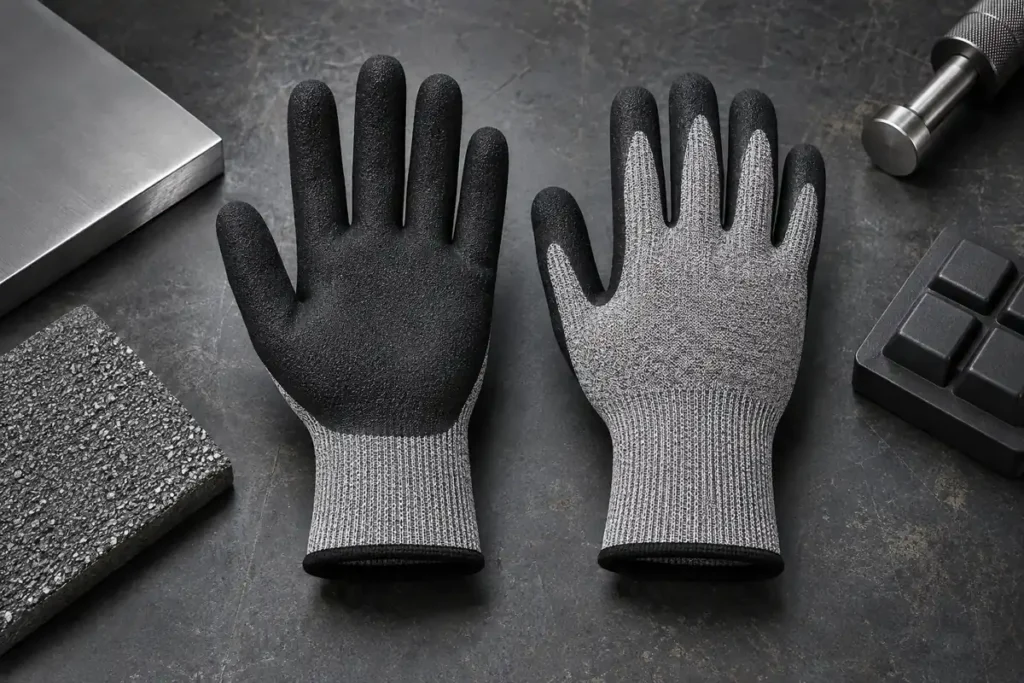
When sourcing coated cut gloves, compare the complete construction rather than the liner alone. Browse Everpro cut-resistant work gloves or send your required marking, coating, size range and order quantity for product matching.
Common EN 388 Interpretation Mistakes
- Reading the largest character as an overall glove score.
- Assuming X means the glove provides no protection.
- Converting an ISO 13997 letter directly to an ANSI A-level.
- Treating puncture resistance as needlestick protection.
- Assuming P represents an ANSI/ISEA 138 impact level.
- Using a report for a different coating, liner or glove style.
- Calling a glove cut-proof because it has an E or F rating.
Frequently Asked Questions
What is the current version of EN 388?
The version commonly cited for protective gloves against mechanical risks is EN 388:2016+A1:2018. Check the European Commission harmonised standards list and the product’s current declaration of conformity when legal status matters.
What does X mean in an EN 388 code?
X means the property was not tested or the result is not applicable in that position. Review the remaining characters and the test report instead of treating X as zero.
Is EN 388 level F the same as ANSI A9?
No. EN 388 ISO 13997 letters and ANSI/ISEA 105 A-levels belong to different classification systems. Do not publish a direct equivalence without separate test results.
Does EN 388 cover chemical protection?
No. EN 388 addresses mechanical risks. Chemical glove claims use other standards, including EN ISO 374, and require chemical-specific permeation and degradation information.
Does a P marking mean the whole glove is impact resistant?
P means the glove passed the optional EN 388 impact test at the tested area. You still need to check the protection coverage, construction, and suitability for the actual impact and pinch hazards.
Summary
EN 388:2016+A1:2018 gives you six separate pieces of information about mechanical performance. Read the code in order, distinguish between Coupe and ISO 13997 cut results, understand X and the optional impact character, and verify the exact test report. Then combine the rating with fit, grip, coating, task conditions, and a controlled trial before approving a glove.