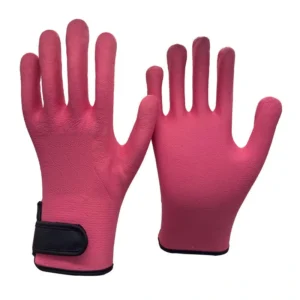
Choose heat-resistant work gloves for the type, duration, and frequency of heat exposure in your task. Handling a warm component, working near radiant heat, and managing sparks or hot debris create different risks. Start with your workplace hazard assessment, then check the exact glove’s test documentation, coverage, grip, and fit. A temperature claim alone cannot tell you whether a glove is suitable for a particular job, and heat-resistant gloves are not interchangeable with welding gloves or molten-metal PPE.
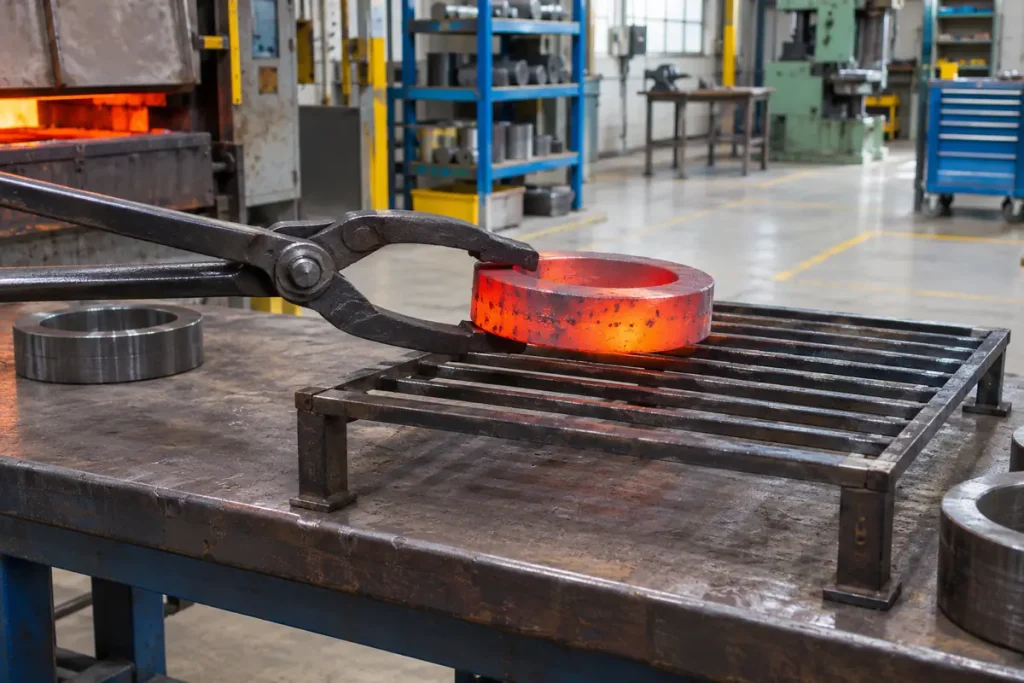
First identify how heat can reach your hands
Heat can reach a worker through direct contact with a hot surface, hot air or gases, radiant heat from a nearby source, or brief sparks and hot particles. A task may involve more than one of these exposures. Record what the hands do, how close they come to the source, how often contact occurs, and whether the workpiece is dry, oily, or wet. Your site safety professional should use this information to assess the hazard and select PPE.
| Task or exposure | What to assess | Selection check |
|---|---|---|
| Moving warm metal or machine parts | Surface temperature, contact duration, repeated handling and work pace | Verify the relevant contact-heat performance for the exact glove and planned exposure |
| Foundry, furnace or kiln work | Contact heat, radiant heat, hot air, sparks or splash potential | Confirm which heat hazards the glove is tested for; add suitable body and face PPE |
| Glass forming or handling | Heat exposure plus sharp edges, grip needs and component shape | Check heat and cut performance separately, along with cuff coverage and control |
| Hot pipe, oven or equipment maintenance | Unexpected residual heat, confined access, grip and required reach | Use isolation and temperature verification procedures; do not rely on gloves as permission to touch |
| Welding and cutting | Process, current, position, sparks, spatter and hot workpiece contact | Select gloves designed and documented for the welding process; general heat gloves may not be suitable |
Understand the limits of a temperature claim
A product page may state a temperature value, but that number is useful only when you know the test method and conditions behind it. Heat transfer depends on contact time, pressure, glove construction, moisture, wear, and whether the exposure repeats before the glove cools. Do not treat a single temperature figure as a universal “safe to touch” limit.
Before standardizing a glove, request current documentation for the exact style and size range you intend to buy. Confirm which type of heat exposure was assessed, how the test result is presented, and whether the tested construction matches the production sample. If the supplier cannot provide clear evidence, ask your safety team to review the alternative.
The OSHA PPE guidance advises employers to select hand protection based on the specific hazards and to use manufacturer documentation for relevant performance. For welding, consult the American Welding Society’s Safety and Health Fact Sheet No. 37: Selecting Gloves for Welding and Cutting. Apply the rules and standards that govern your location.
Compare glove construction for the job
Liner and insulation
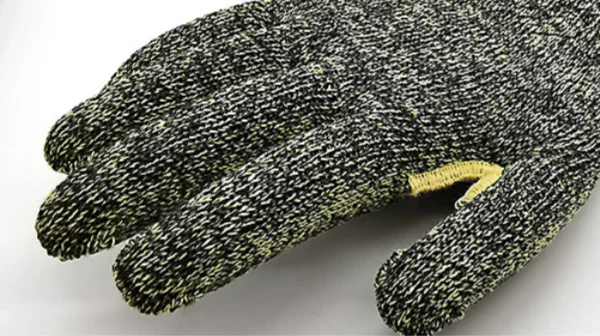
Knitted aramid or other heat-resistant liners can provide a balance of flexibility and protection for some industrial handling tasks. Leather constructions may suit some welding and hot-work applications. The right choice depends on the documented exposure and work method—not material names alone. Extra lining can reduce dexterity, so try the glove with the parts and tools you handle.
Grip and surface finish
Grip is task-critical when moving hot parts, tools, or glass. Check whether the glove surface remains controllable on the actual material and in the actual condition. Oil, moisture, dust, and smooth surfaces can change grip. Do not add a coating or rely on a textured palm unless you confirm the glove’s heat suitability.
Cuff length and coverage
Choose coverage to match the path of sparks, hot debris, and contact exposure. A longer cuff can cover more of the wrist and forearm, but it must work with sleeves and other PPE without leaving gaps or catching on equipment. Confirm that the cuff stays in place through the required hand movements.
Cut, abrasion and flame performance
Hot work may also involve sharp edges, rough parts and sparks. Heat resistance does not automatically establish cut, abrasion or flame performance. Review each relevant test result separately and check whether damage, contamination or laundering can affect the glove. Replace gloves with holes, exposed liner, failed seams, or hardened and cracked areas.
Use a safe trial before you approve a bulk order
- Describe the task. Record the material, process, heat source, contact duration and frequency, grip demands, and nearby hazards.
- Shortlist documented products. Match the exact glove model to each identified exposure and required coverage.
- Check fit and control in a non-hot setup. Confirm workers can hold tools, pick up parts, and complete normal motions before any controlled work trial.
- Run the work trial under site controls. Follow approved procedures and supervision; never test a glove by intentionally touching a hot object with bare or gloved hands outside a safe protocol.
- Inspect after defined use. Record coating or material wear, seam condition, grip, comfort, and replacement reasons.
- Approve the specification. Retain the approved sample and test documents; reassess when material, process, exposure, or supplier construction changes.
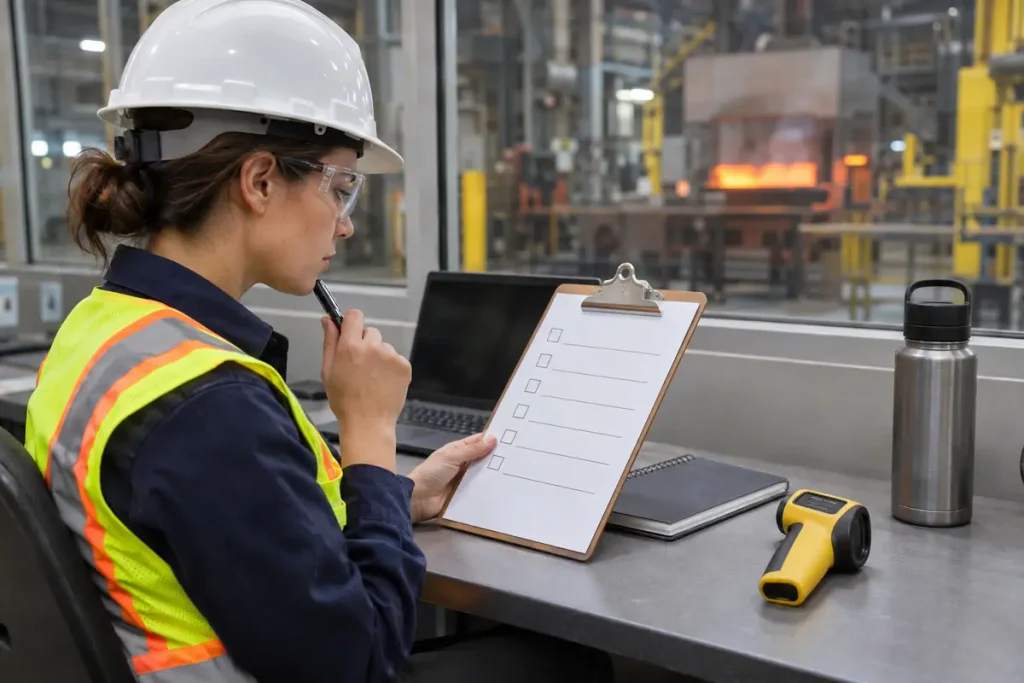
What B2B buyers should specify to suppliers
For a mine, foundry, glass plant, steelworks, distributor, or private-label order, send a task-based specification. Include the heat source and exposure pattern; other hazards such as cuts, abrasion, or sparks; required cuff length and size range; liner and palm construction; packaging and labeling; order quantity; and the exact test documents required. Ask for samples, lead time, customization options, and confirmation that production will match the approved sample.
Everpro lists heat-resistant options for industrial applications. Review the heat-resistant gloves range and the HR-701 Aramid Fiber Heat-Resistant Safety Gloves. The product page includes application and performance claims; request and review current test reports for the exact model before using any stated rating to approve a task. For other hand hazards, see Everpro’s glass handling gloves and steel and metal work gloves, or contact Everpro with your task specification.
Frequently asked questions
What are the best heat-resistant work gloves?
The best option is the glove tested for your specific heat exposure and task. Compare contact, radiant or convective heat needs, then check grip, coverage, fit, and any additional cut or abrasion risks.
Can heat-resistant gloves be used for welding?
Only if the glove is designed and documented for the welding process and the hazards involved. Welding can expose hands to heat, sparks, spatter, radiation, and sharp material. Follow process-specific PPE guidance; do not assume a general heat glove replaces a welding glove.
Can you handle hot metal with heat-resistant gloves?
Only when your risk assessment and the glove’s documented test conditions support the task. Consider contact time, repeated handling, pressure, the workpiece shape, and whether the glove can cool between contacts. A listed temperature alone is not enough to approve direct handling.
Are heat-resistant gloves also cut-resistant?
Some models may be tested for both, but one performance does not prove the other. Check the exact model’s documentation for each hazard separately.
How should you care for heat-resistant gloves?
Follow the manufacturer’s care instructions. Inspect gloves before use and after cleaning; retire them if heat exposure, wear, or laundering has changed their fit, surface, or condition.