





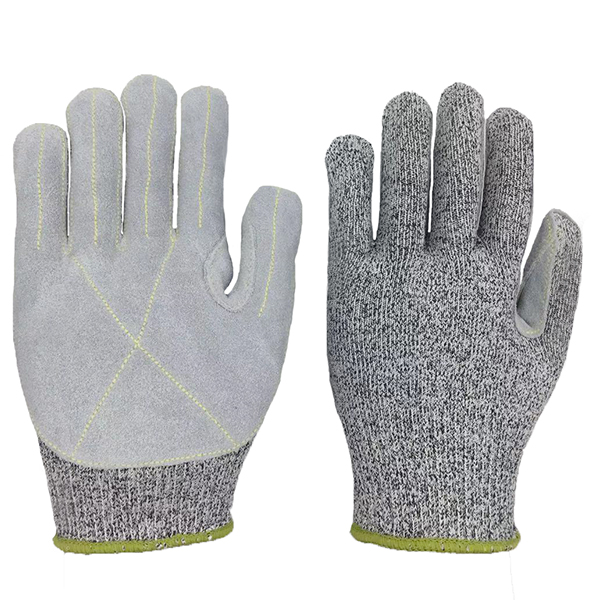
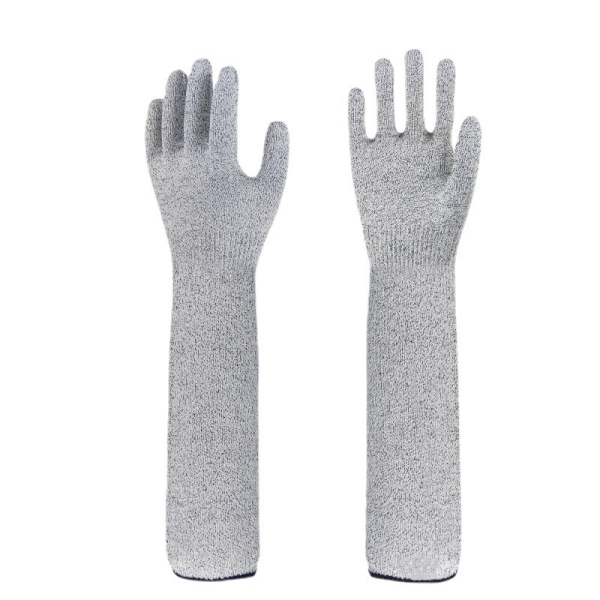
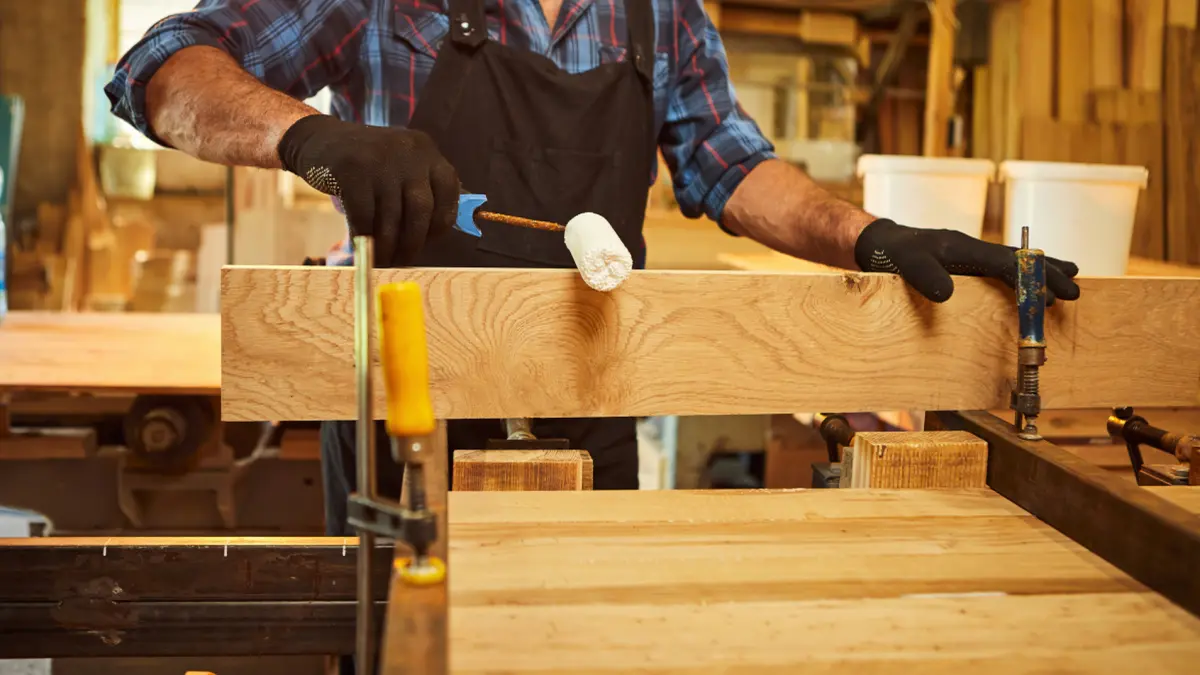
The woodworking industry encompasses a wide range of work scenarios, and safety gloves for woodworking, as the most basic and crucial piece of protective equipment, directly determine hand safety. From forestry and timber harvesting to log transport, and from carpentry on construction sites to precision finishing in furniture factories, each stage involves different working environments and specific risks to the hands. Whether you are a professional carpenter, a furniture maker, a construction joiner, or a DIY enthusiast, your hands are your most valuable tools. Tasks such as cutting, sawing, sanding, carving, painting, and handling materials expose hands to constant risks of cuts, splinters, vibration, impact, chemical irritation, and abrasions. Consequently, safety gloves for woodworking are not merely standard workwear, but essential protective equipment that effectively prevents injuries, reduces fatigue, and enhances efficiency.
The carpentry industry encompasses a wide range of practical scenarios, from the most basic logging operations and timber transport to timberwork on construction sites and precision finishing in furniture factories. Each stage of the process involves unique working environments and specific risks to hand safety. As the most fundamental and crucial piece of safety equipment, the choice of safety gloves for woodworking directly impacts the safety of your hands.
If you choose safety gloves for woodworking that are too thick and heavy, they may impair your dexterity; conversely, gloves that are too thin may offer insufficient protection against risks such as sharp objects and impacts. Therefore, by addressing the specific challenges and working environments you face, and by considering the characteristics of the entire workflow across the three core carpentry scenarios (forestry and logging, construction sites, and furniture factories), we have compiled the most suitable glove selection guide to help you choose the right ‘hand protection’ equipment that balances safety and practicality.
Introduction: Why can’t safety gloves for woodworking be a ‘one-size-fits-all’ solution?
As a carpenter, you may be accustomed to using the same pair of gloves for all tasks, but you may not realise that this approach harbours significant safety risks. This is because different jobs involve distinct operational processes and require different tools. For instance, forestry logging involves dealing with rough edges on logs, heavy impacts, vibrations, and the operation of large machinery, whereas the delicate fingertip work involved in fine carving at a furniture factory, or the dust and grease encountered on a construction site, present entirely different protective requirements for gloves.
High-quality safety gloves for woodworking must not only withstand the core risks of the specific scenario (such as puncture and impact resistance for logging, or cut and splinter resistance for precision work), but also suit the characteristics of the task (such as slip resistance for handling and flexibility for carving), whilst ensuring comfort during prolonged wear. Blindly choosing gloves can result in inadequate hand protection, operational inconvenience, and may even lead to hand injuries or cause greater harm to yourself. Therefore, the core principle in selecting carpentry gloves is to match the type of glove to your specific work environment and operational processes.
Part One: Your Work Environment and Risks – Three Core Carpentry Scenarios + A Breakdown of All Processes (Environment + Hand-Related Risks)
There are many types of carpentry work, some of which cannot be listed in detail here; however, based on our understanding of the core scenarios, we have provisionally categorised them into three main types: forestry and logging (primary-stage processes), construction site carpentry (construction-stage processes), and furniture factory carpentry (processing-stage processes). Each category of work scenario encompasses multiple processes, with significantly different working environments and distinct safety risks to the hands:
I. Forestry Logging (including felling, log transport, and rough processing)
1. Working Environment
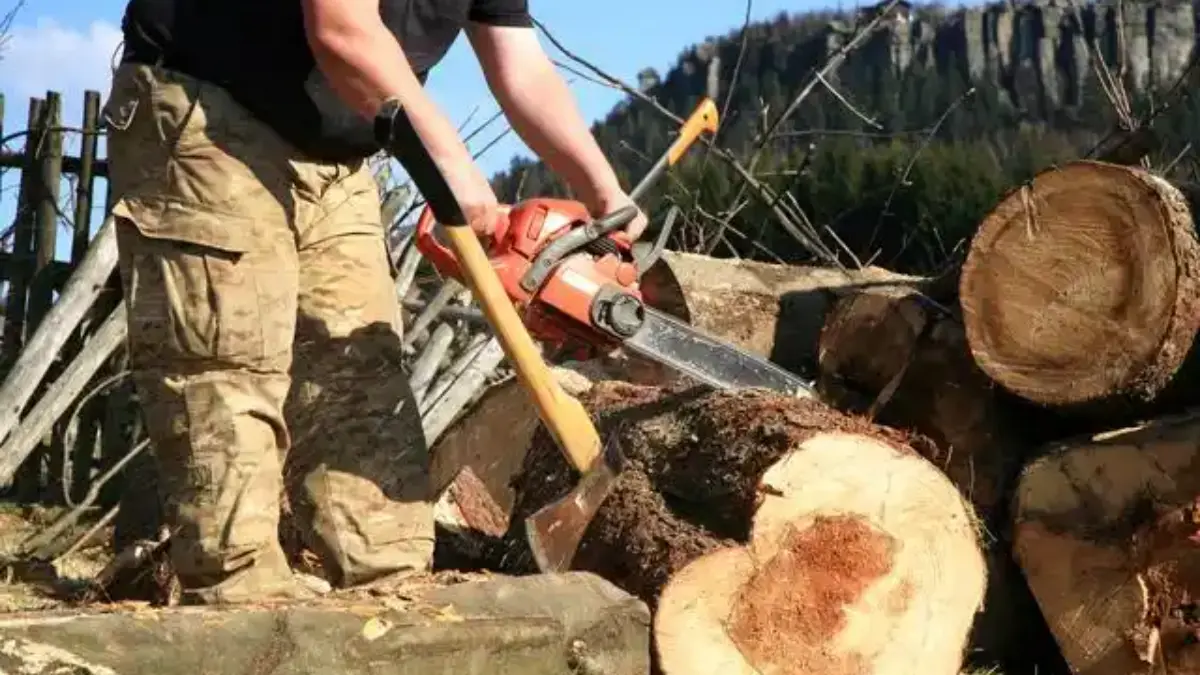
When undertaking this work, you are choosing an outdoor environment characterised by complex terrain (slopes, woodland) and significant weather exposure (high temperatures, torrential rain and extreme cold may all be encountered); The work area is cluttered with large quantities of logs, dead branches, and rocks, making the ground uneven and slippery; the timber handled is mostly fresh logs, and the logging tools (chainsaws, axes, machetes, etc.) often have sharp splinters and knots on their surfaces. Some logs are coated with resin or sap, and they are heavy with smooth surfaces. Furthermore, forestry felling is a high-risk activity, often described as a ‘3D’ job (dirty, difficult, and dangerous). It is physically demanding, involving prolonged use of chainsaws with intense vibration, and is carried out in dusty environments accompanied by constant noise. Therefore, whilst ensuring you wear appropriate personal protective equipment, it is essential to choose a pair of safety gloves for woodworking.
2. Key Hand Hazards
- Impact/Crushing: When handling logs or using axes, there is a high risk of being struck by logs or having fingers crushed, leading to bruising or fractures.
- Cuts/Lacerations: Chainsaw chains, axe blades, sharp branches, and the like can easily cause deep cuts; in severe cases, this may even result in the severing of a finger.
- Punctures: Splinters on the surface of logs and sharp points on dead branches can easily pierce the skin, causing redness, swelling, and infection.
- Vibration injuries: Prolonged use of vibrating tools such as chainsaws transmits high-frequency vibrations to the arms and fingers, causing numbness in the fingers and joint pain; over time, this can lead to vibration white finger, affecting hand dexterity.
- Abrasion/Corrosion: When gripping rough logs or tools, the skin on the hands is prone to abrasion, calluses, and peeling; tree resin and sap can corrode the skin, and combined with outdoor conditions, this can exacerbate dry, cracked hands.
II. Construction Site Work (including formwork installation, timber cutting, timber framing, etc.)
1. Working Environment
Work is predominantly carried out in outdoor or semi-outdoor construction sites, where the ground is uneven (concrete, gravel, nails, steel bars) and there is a high level of dust (a mixture of wood shavings and cement dust); Workspace is limited, often requiring work at height, with a high risk of falling materials; materials handled are mostly dry timber, wooden joists and construction tools (chainsaws, electric drills, chisels), many of which have rough surfaces, burrs or sharp edges. Hands also come into contact with chemical additives such as cement, paint, and glue, whilst some work environments are damp or greasy. Furthermore, safety requirements on construction sites are extremely stringent. Personal protective equipment must comply with relevant national standards, and the use of substandard products is strictly prohibited—this naturally includes the safety gloves for woodworking you require.
2. Key Hand Hazards
- Cuts/Lacerations: Tools such as electric saws, drills, and chisels, as well as the sharp edges of timber, can easily cause cuts and lacerations;
- Punctures: Burrs on timber, nails, and sharp rebar points can easily pierce the hands, and the construction site environment increases the risk of wound infection.
- Abrasion/Scrapes: Prolonged gripping of tools and handling of timber can cause skin abrasions and blisters, whilst dust exacerbates skin roughness.
- Crushing/impact: Falling materials from height and being crushed whilst handling panels can easily cause bruising to the fingers and sprained joints;
- Chemical irritation: Contact with auxiliary materials such as cement, paint, and glue can easily cause skin allergies, redness, and cracking.
- Slip hazards: When hands are sweaty or panels are damp, tools or panels may slip during handling, leading to loss of control and secondary injuries.
III. Work in furniture factories (including precision cutting, carving, sanding, and assembly)
1. Working environment
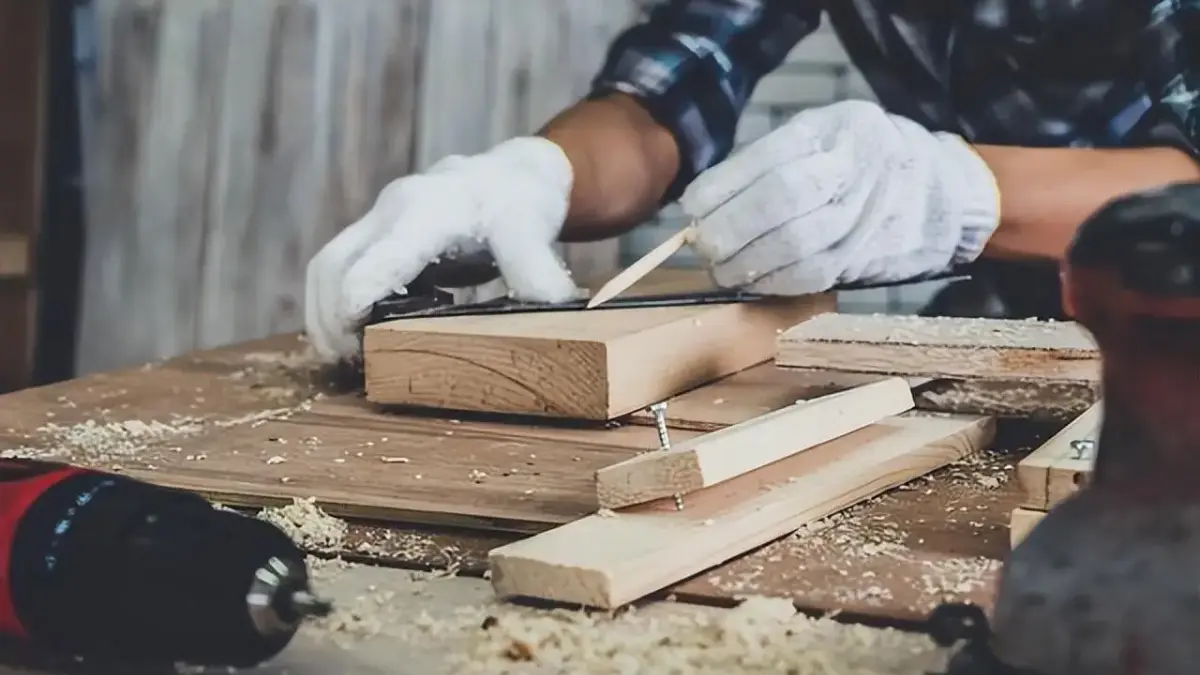
Mostly indoor workshop environments; whilst ventilation is generally good, dust (fine wood shavings) tends to accumulate; Work areas are generally tidy, with operations centred on precision work. Materials mainly consist of various types of board (solid wood, particle board, MDF), and tools include precision instruments (carving knives, fine sandpaper, small electric drills, hammers, nails, etc.); certain processes involve contact with chemical auxiliary materials such as wood glue, paint, and thinners. Although workshop temperatures are relatively stable, prolonged precision work can easily lead to hand fatigue. Woodworking in furniture factories places greater emphasis on precision, placing extremely high demands on the flexibility of safety gloves for woodworking.
2. Key risks to the hands
• Fine cuts: Tools such as carving knives and small electric saws can easily cause fine cuts to the fingertips and pads of the fingers;
• Minor punctures: Fine wood shavings and small splinters from panels can easily penetrate the skin of the fingertips, are difficult to remove, and cause discomfort.
• Abrasion/Peeling: Prolonged fine sanding and gripping small tools can cause the skin on the fingertips to become abraded and peel.
• Chemical Irritation: Contact with wood glue, paint, and thinners can easily cause skin allergies, dryness, and cracking;
• Fatigue Injuries: Maintaining the same posture for prolonged periods during fine work can cause hand muscles and joints to become fatigued, affecting operational precision.
Part Two: Recommended Optimal Choices for Safety Gloves for Woodworking
Based on the working environment and risks you face, as outlined above, and in accordance with the principles of ‘protection first, suitability for the task, and comfort and durability’, Everpro Gloves provides categorised recommendations for the safety gloves for woodworking best suited to your needs. This facilitates precise selection and the choice of different types of work gloves for various professionals, helping to avoid unsuitable options such as ‘cotton gloves’ and ‘standard leather gloves’.
1. Logging / Heavy Lifting / Chainsaw Operation

Recommended: Everpro TPR-501 Impact-Resistant, Shock-Absorbing, Cut-Resistant Gloves
• TPR hard shell on the back of the hand provides impact protection, reducing the risk of injury from blows or crushing
• Level 5 cut resistance; chainsaws and wood stumps cannot easily cut through
• Non-slip, abrasion-resistant palms ensure a secure grip on wet wood and chainsaws
• Excellent vibration damping prevents hand numbness during prolonged chainsaw use
• Suitable for: tree felling, log hauling, rough processing, and heavy-duty carpentry
2. General-purpose for carpenters on construction sites (most practical)
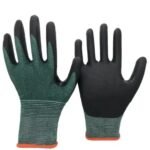
Recommended: Everpro CUT-1201 Nitrile Foam Cut-Resistant Gloves
• Cut and puncture resistant; nails and splinters cannot penetrate
• Nitrile foam palm provides a secure grip whether hands are dry or wet
• Breathable and sweat-wicking, comfortable to wear all day
• Resists cement, dust, and light oil stains
• Suitable for: timber cutting, joist installation, material handling, and working at height
3. Precision Work / Carving / Sanding in Furniture Workshops
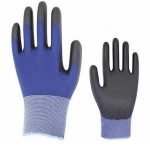
Recommended: Everpro PU105 Ultra-Thin, High-Sensitivity Cut-Resistant Gloves
• Ultra-thin and form-fitting, offering the same flexibility as if you weren’t wearing them
• Protects against minor cuts, splinters, and dust
• Provides exceptional grip when handling carving tools and sandpaper
• Does not compromise precision; the top choice for precision work
• Suitable for: carving, fine finishing, assembly, and sanding small items
4. Specifically designed for painting, spray painting, and mixing paint

Recommended: Everpro PVC111 Chemical-Resistant and Solvent-Resistant Gloves
• Resistant to penetration by paint, thinners, and adhesives
• Non-stick, easy to clean, and gentle on the hands
• Long cuffs prevent paint mist from getting inside
• Resistant to minor cuts and punctures
• Suitable for: spray painting, brush painting, paint mixing, gun cleaning, and tool cleaning
5. Light-duty / General-purpose work (value for money)

Recommended: Everpro EP201 PVC-coated gloves
• Affordable, breathable, and comfortable
• Non-slip and abrasion-resistant; suitable for light-duty tasks
• Ideal for bulk use without breaking the bank
• Suitable for: simple handling, assembly, and general odd jobs
Part Three: Tips for Choosing Safety Gloves for Woodworking (A Guide to Avoiding Pitfalls)
Regardless of the model or type of safety glove you choose, it is best to follow the principles below to avoid common pitfalls, ensure that the safety gloves for woodworking provide adequate protection and meet your needs, whilst also complying with relevant safety standards.
1. Prioritise protection ratings; avoid ‘non-standard’ gloves
The core protection ratings for carpentry gloves are based on the EN 388 standard, with a focus on cut resistance (up to Level 5), abrasion resistance, and puncture resistance. Different scenarios require different ratings: for forestry felling and cutting operations on construction sites, safety gloves for woodworking with a cut resistance rating of ≥ Level 4 should be selected; for precision work in furniture factories, gloves with a cut resistance rating of 3–4 are suitable; for light-duty tasks, gloves with a cut resistance rating of 3 are adequate. It is strictly prohibited to purchase substandard products without protection rating markings or factory compliance certificates. Particularly on construction sites, safety manual requirements must be strictly adhered to, ensuring that protective equipment meets quality standards.
2. A good fit is key; avoid gloves that are ‘too loose or too tight.’
If safety gloves for woodworking are too loose, they are prone to slipping when gripping tools, which affects operation and poses a safety hazard; if too tight, they will constrict the blood vessels in the hand, leading to hand fatigue and poor blood circulation, and prolonged wear may cause discomfort. When selecting gloves, prioritise styles that fit the hand well. When trying them on, ensure that the fingertips can extend naturally, the wrist fits snugly without looseness, and there is no feeling of restriction when handling tools—gloves for precision work require a tighter fit, whilst heavy-duty gloves may be slightly looser to allow for some room of movement.
3. Choose materials suited to the task; do not blindly pursue ‘high-end’ options
Different materials are suited to different scenarios; there is no need to blindly pursue high-priced options: for heavy-duty outdoor work (such as logging), prioritise HPPE+TPR materials, which offer both impact and vibration resistance; for construction sites, choose nitrile foam materials, which provide slip resistance, stain resistance and durability; for precision work in furniture factories, opt for PU+ultra-thin HPPE materials, which combine flexibility with precision; For light-duty tasks, opt for polyester-cotton + PVC materials, which offer excellent value for money. At the same time, avoid common material pitfalls: standard leather gloves lack sufficient cut resistance and are unsuitable for high-speed cutting operations; cotton gloves are prone to being caught in rotating tools and must never be used when operating chainsaws or electric saws.
4. Balance durability and comfort to reduce usage costs
Safety gloves for woodworking are consumables that wear out over time. When purchasing, focus on abrasion resistance (such as nitrile coatings or reinforced palms) to avoid frequent replacement; simultaneously, prioritise comfort, particularly for those working long hours, by selecting breathable, sweat-wicking styles that do not cause discomfort, thereby reducing hand fatigue and skin issues. Furthermore, opting for washable styles can extend their lifespan and reduce running costs.
Part Four: Summary
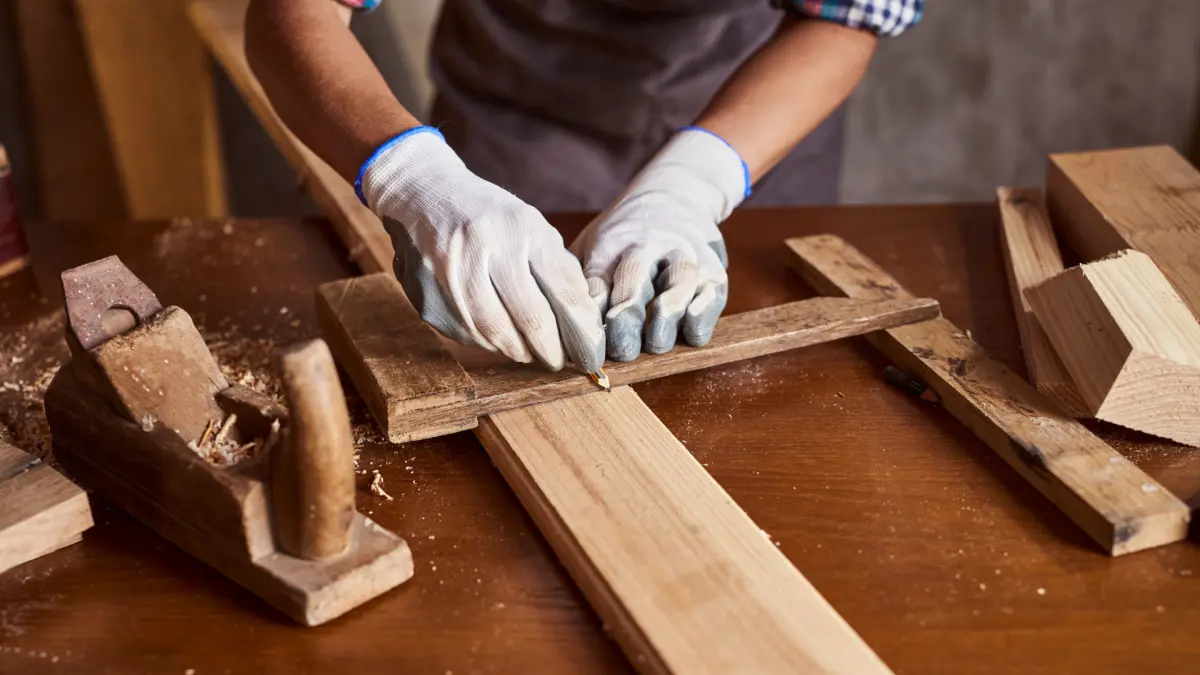
When selecting safety gloves for woodworking, the key lies in ‘matching the task to the risk’—logging in the forestry sector requires heavy-duty protection (impact, cut and vibration resistance); construction sites require a balance of features (cut resistance, slip resistance and abrasion resistance); furniture factories require flexibility (high dexterity and protection against fine cuts); whilst light-duty tasks prioritise value for money. There is no such thing as the ‘best’ glove, only the ‘most suitable’ one. By considering your specific working environment and tasks, we hope to help you select a pair of carpentry gloves that not only protect your hands but also enhance your work efficiency.
Whatever the case, please remember: your hands are your tools for creation, and they are also the foundation of your safety. Choosing the right pair of gloves is not only a way to protect yourself, but also a demonstration of responsibility towards your work. Whether you are a forestry worker, a construction worker, or a carpenter in a furniture factory, you should prioritise hand protection to ensure that every task is carried out more safely and with greater peace of mind.