




Woodworking is a profession that combines both expertise and risk. From rough processing of raw timber to intricate carving, and from furniture assembly to finish application, every step relies on precise hand movements. As your hands are your most essential “tools,” ensuring their safety is of the utmost importance. Choosing a high-quality pair of woodworking gloves not only protects against hazards—such as cuts, punctures, abrasions, and chemical exposure—but also enhances dexterity and comfort, reduces errors, and ensures your safety and work efficiency.
This article will provide a detailed analysis of the carpentry work environment and potential hand safety hazards, while also guiding you on how to select the best woodworking gloves to make every job safer and more efficient.
I. Analysis of the Work Environment and Daily Tasks
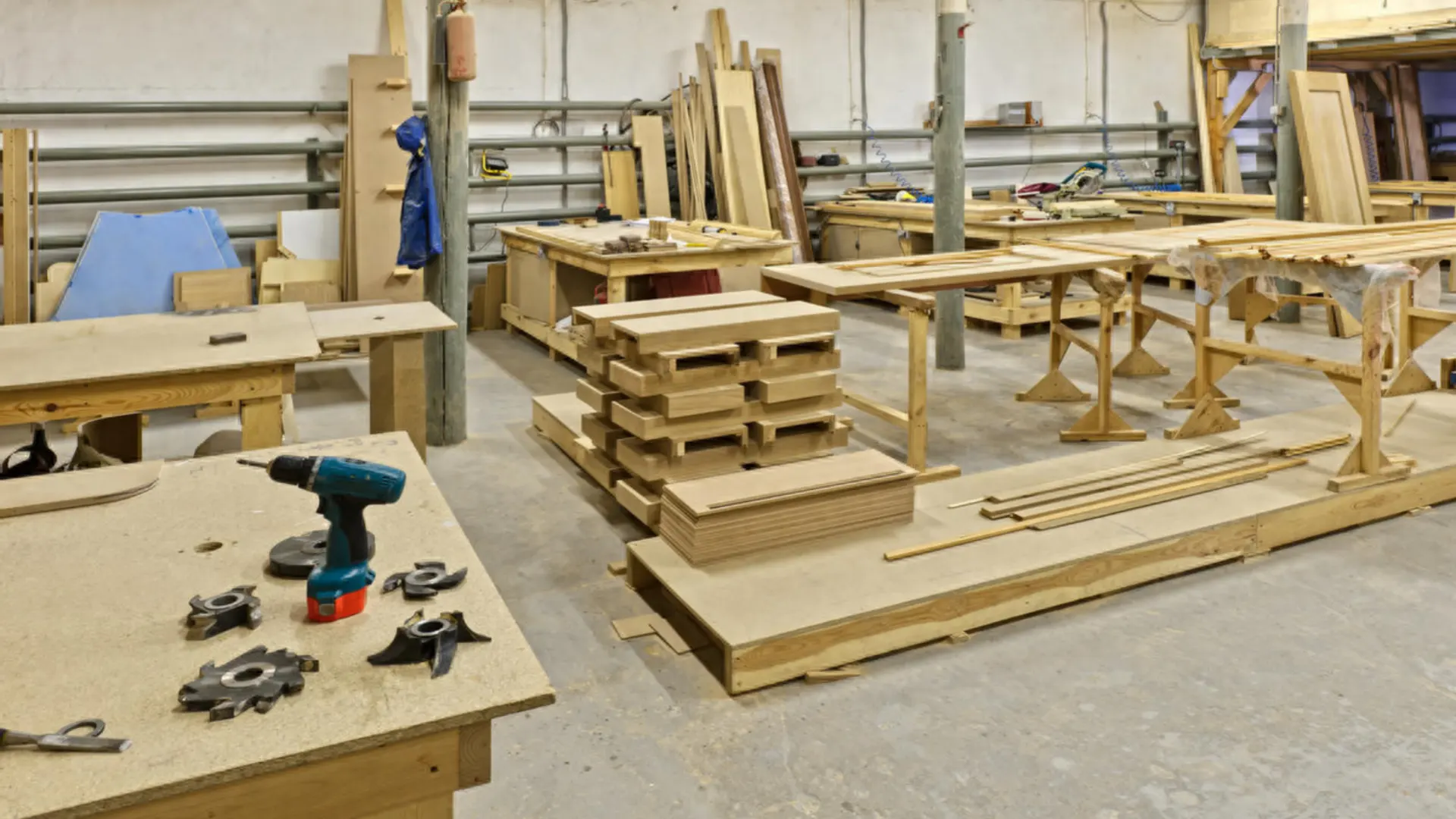
As a carpenter, you may encounter a wide variety of work environments, including enclosed woodworking shops, outdoor courtyard construction sites, renovation sites, furniture manufacturing plants, and lumber processing facilities.
The overall work environment is typically filled year-round with large amounts of fine wood shavings, wood dust, and wood splinters, and the air is dry and contains many impurities; In some work areas, you may be exposed to chemical materials such as wood adhesives, paints, preservatives, and cleaning agents over extended periods, posing risks of mild corrosion and skin irritation.
Additionally, as a carpenter, you frequently use power tools, resulting in constant mechanical vibrations and noise. The floor is often littered with wood scraps, nails, and sharp edges, and when cleaning the floor, the cluttered environment increases the risk of bumping into objects or cutting your hands. Different seasons also pose distinct challenges to hand health. In the dry conditions of fall and winter, hands are prone to cracking, while working in the hot and humid conditions of spring and summer can lead to sweaty, slippery hands.
Therefore, when facing such a complex work environment, you should prioritize protecting your hand health by choosing the best woodworking gloves suited to your needs. These gloves will adapt to your work environment and build a strong safety barrier for your hands.
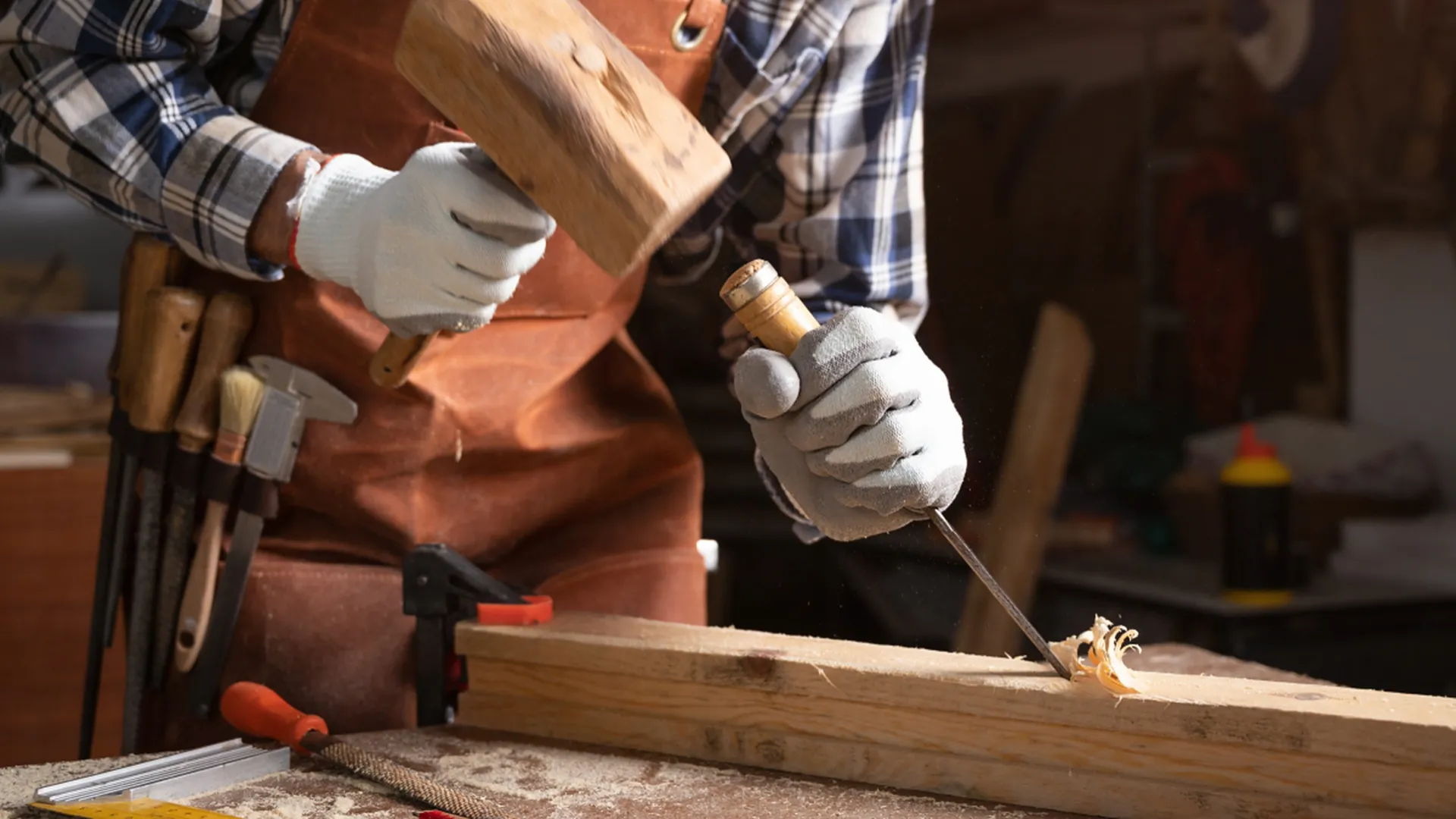
In summary, as a carpenter, you may encounter the following core tasks:
- Rough Processing: Log cutting, cross-cutting, sawing, planing, handling shaped solid wood, stacking, and loading/unloading lumber;
- Fine Processing: Trimming edges of boards, routing grooves, making mortise and tenon joints, wood carving, sanding and polishing, drilling holes, and trimming edges and corners.
- Assembly and Finishing: Furniture assembly and installation, custom whole-house woodwork, installation of ceiling joists, and carpentry work on door and window frames;
- Tool Operation: Prolonged use of sharp manual and power tools such as electric saws, angle grinders, sanders, electric drills, chisels, utility knives, and planes;
- Finishing: Auxiliary tasks such as applying wood sealant, sanding to remove rust, painting and maintenance, and sanding and dust removal of wood.
Protective requirements vary depending on the specific woodworking environment. Rough processing requires a focus on cut and impact protection, while precision work requires a focus on dexterity, and spray painting requires a focus on chemical corrosion resistance. This is the core criterion for selecting the best woodworking gloves—matching your specific work scenario.
II. What Safety Hazards Do Carpenters Face Regarding Their Hands?
- Risk of Sharp Cuts and Deep Lacerations: Most woodworking tools are made of highly sharp materials, such as electric saws, saw blades, chisels, utility knives, and planer blades. Combined with the sharp edges of broken solid wood and the jagged corners of split boards, operational errors can easily result in deep cuts and lacerations to the palms and fingers. In severe cases, serious accidents such as finger amputation or tendon lacerations may occur.
- Wood splinter injuries and foreign object penetration: Natural solid wood and panels contain numerous wood splinters, wood shavings, and hard burrs, as well as construction debris such as nails and metal shavings. When working with bare hands, tiny splinters can easily penetrate fingertips, the spaces between fingers, and the skin of the palms, causing redness, inflammation, and abscesses. Repeated punctures over time can lead to skin damage and infection.
- Severe Abrasion, Blisters, and Skin Aging: Prolonged, forceful gripping of tools and repeated friction against wood subjects the web of the hand and fingertips to constant pressure and friction, leading to calluses, blisters, peeling, and skin damage. Long-term exposure to dust causes the skin on the hands to become rough, cracked, and aged.
- Mechanical Vibration and Joint Damage: Prolonged use of vibrating power tools such as angle grinders, sanders, and electric saws transmits high-frequency vibrations to the arms and fingers, causing numbness in the fingers, joint pain, and poor blood circulation. Over time, this can lead to vibration white finger syndrome, impairing hand dexterity.
- Oil Stains, Chemical Corrosion, and Skin Allergies: Frequent contact with wood glue, wood varnish, thinners, and preservatives during furniture making can irritate the skin, causing redness, itching, and allergic dermatitis. Resin and oil stains naturally present in wood can also corrode the outer layer of the skin, leading to dryness, cracking, and peeling.
- Crushing, Impact, and Injuries from Heavy Objects: Crushing injuries are common when handling heavy solid wood or panels; falling lumber, tool recoil, and accidental collisions with workpieces can cause finger bruises and joint sprains, and in severe cases, lead to finger fractures and soft tissue contusions.
- Slip-and-fall accidents leading to secondary injuries: When hands are sweaty, or the wood surface is smooth and damp, gripping tools bare-handed can easily cause them to slip, resulting in loss of control and further increasing the risk of cuts and impacts, posing a serious threat to workplace safety.
- Safety Hazards of Paint Spraying/Brushing: Frequent contact with chemicals such as paint and thinners can cause dry, cracked skin, allergies, redness, and swelling, and may even result in chemical burns; paint residue on the hands is difficult to clean and can damage the skin barrier if left for extended periods; paint mist splashing onto the hands during spraying forms a hard crust when dry, which can cause skin tightness and peeling; Some thinners are volatile and can cause numbness and a stinging sensation upon contact.
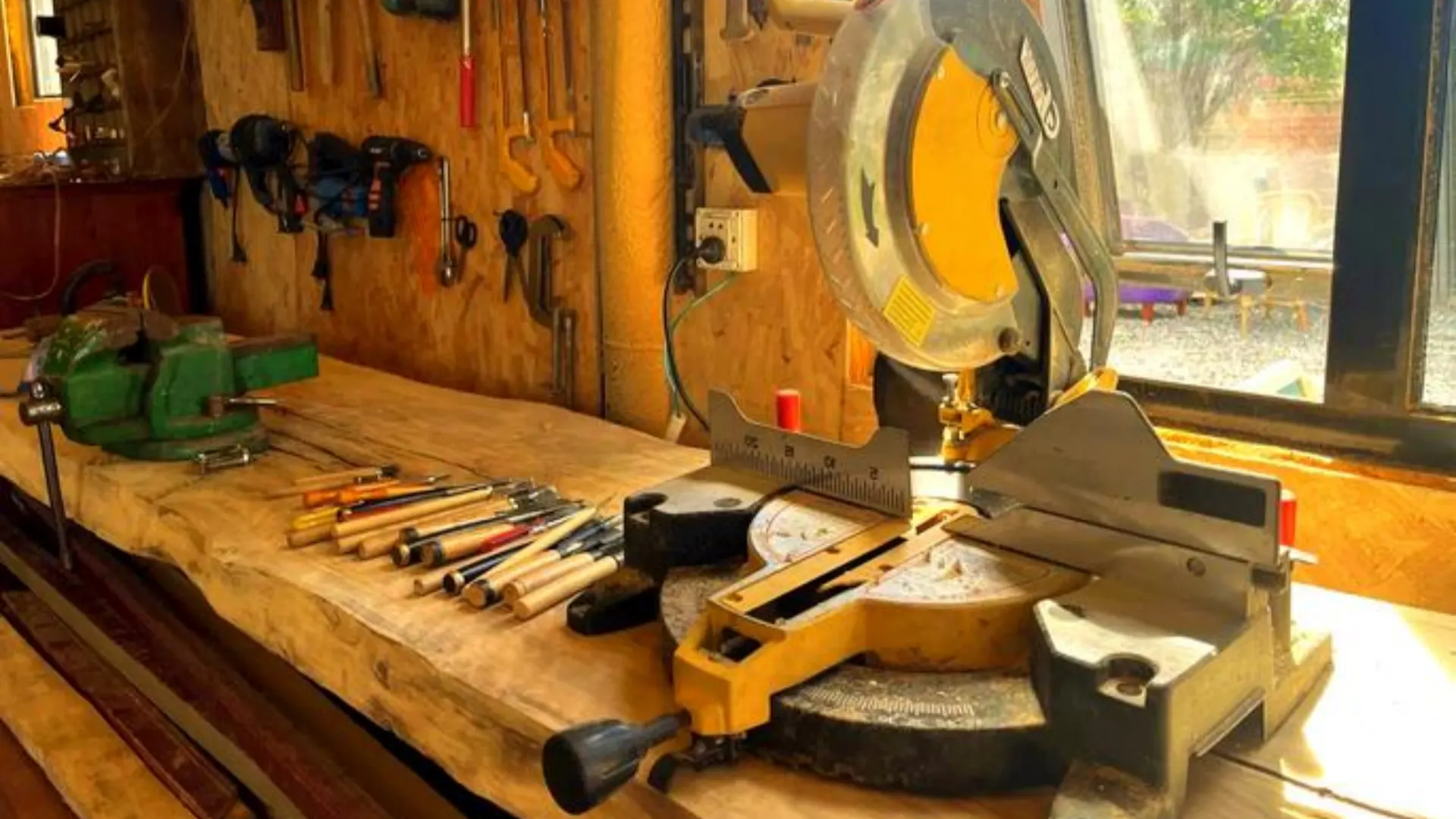
It is precisely these diverse and complex safety hazards that make it essential for woodworkers to choose the best woodworking gloves suited to their needs—gloves that not only effectively protect against various risks but also balance comfort and dexterity, preventing reduced work efficiency due to discomfort and fundamentally safeguarding hand health.
III. How to Choose the Best Woodworking Gloves
When selecting the best woodworking gloves, the key is to “match the work scenario while balancing protection and flexibility.” It is not necessarily true that the more expensive or the higher the protection rating, the better. You must consider your specific type of work and the characteristics of your work environment, and make a comprehensive assessment based on the following five core criteria to select the “best woodworking gloves” that are most suitable for you.
3.1 Prioritize Matching the Work Environment (Core Prerequisite)
The risk factors vary greatly across different woodworking tasks. This is the primary principle for selecting the best woodworking gloves. Avoid a “one-size-fits-all” approach with generic models, as this can lead to inadequate protection or operational inconvenience:
- Heavy-duty tasks (log cutting, power tool operation, heavy material handling): Prioritize gloves with strong cut resistance, vibration damping, and impact protection. Focus on the cut resistance rating (recommended Level 4 or higher) and check for TPR impact-resistant structures and cushioning layers to guard against the triple risks of cuts, impacts, and vibrations;
- General tasks (daily sanding, trimming, assembly): Choose the best woodworking gloves that are abrasion-resistant, slip-resistant, and water/oil-resistant, while also ensuring breathability for extended wear. While high protection levels aren’t required, basic puncture resistance and abrasion resistance must be guaranteed.
- Precision Work (carving, fine edging, small woodworking projects): Focus on flexibility and dexterity. Choose ultra-thin, form-fitting gloves that allow unrestricted movement at the fingertips. Prioritize PU-coated or ultra-thin cut-resistant materials to maintain bare-hand-like sensitivity, while also providing basic protection against dust and small wood splinters.
- Painting tasks (spraying, brushing, paint mixing): These are divided into long-term and temporary tasks. For long-term tasks, choose specialized gloves that are chemical-resistant, solvent-resistant, and easy to clean. For temporary tasks, disposable chemical-resistant gloves are suitable, with the primary focus on preventing paint penetration and surface contamination.
- Light-duty/temporary tasks (simple assembly, outdoor woodworking): Choose affordable, breathable, and comfortable gloves that prioritize slip resistance and basic abrasion resistance. Complex protective features are unnecessary; cost-effectiveness is the top priority.
3.2 Focus on Core Protective Performance (Key Metrics)
The best woodworking gloves must possess core protective performance suited to the task at hand. Focus on the following three metrics to avoid prioritizing appearance over practicality:
- Cut Resistance: Check the cut resistance rating (typically Levels 1–5). For woodworking, choose at least Level 3; for heavy-duty tasks, prioritize Level 5. Opt for HPPE cut-resistant yarn, which balances protection with flexibility, and avoid overly stiff materials that hinder dexterity;
- Slip-Resistance and Abrasion Resistance: For palm coatings, prioritize nitrile or PVC materials. Nitrile is suitable for general-purpose scenarios, while PVC is ideal for chemical resistance and slip-resistance. Opt for a textured or dot-patterned finish to enhance grip and prevent slipping when handling tools or wood.
- Specialized Protection: For vibration-intensive tasks, gloves must feature anti-vibration cushioning; for spray painting, they must offer chemical resistance and solvent resistance; for sensitive skin, choose latex-free, non-irritating, eco-friendly materials to prevent skin allergies.
3.3 Prioritize Comfort (to Improve Work Efficiency)
No matter how excellent the protective performance, if the gloves are uncomfortable to wear, they cannot be used long-term and certainly cannot be considered the best woodworking gloves. Comfort hinges on three key points:
- Fit: Gloves must conform to the hand’s shape without excess wrinkles or loose fingertips, preventing slippage or restricted hand movement during operations;
- Breathability: For prolonged work, choose the best woodworking gloves with breathable knit linings and lightweight coatings to prevent sweaty, slippery hands and reduce skin discomfort from heat and moisture.
- Cuff Design: Prioritize elastic cuffs that fit snugly around the wrist to prevent wood shavings, paint mist, and dust from entering the glove, while ensuring the cuff isn’t too tight to constrict the wrist and impair blood circulation.
3.4 Consider Durability and Cost-Effectiveness
The best woodworking gloves must balance durability and cost-effectiveness to avoid “single-use waste” or “high-priced yet short-lived” options:
- Durability: Check material thickness and coating adhesion. Avoid gloves prone to tearing or peeling, especially for high-frequency use. Prioritize gloves with reinforced abrasion-resistant layers and highly elastic materials to extend service life.
- Value for Money: Choose based on work frequency. For high-frequency tasks, opt for mid-range gloves with comprehensive protection; for occasional use, choose economical lightweight gloves; disposable gloves are suitable for short-term, high-frequency replacement scenarios—there’s no need to pursue high prices; simply match the gloves to your needs.
3.5 Look for Reputable Brands and Safety Standards
To select the best woodworking gloves, choose reputable brands and prioritize products that meet international safety standards such as EN388. Avoid purchasing substandard gloves without proper certification or test reports, as they not only fail to provide protection but may also cause skin allergies or protective failure due to poor-quality materials. As a Chinese brand and manufacturer with years of experience in the protective glove industry, Everpro Gloves ensures that all its woodworking gloves meet international safety standards. Made from eco-friendly, non-irritating materials, they offer styles tailored to various work environments, making them a reliable choice for selecting the best woodworking gloves.
IV. Detailed Recommendations for Everpro Gloves’ Woodworking Gloves
As a professional supplier of protective gloves, Everpro Gloves has dedicated itself to the field of occupational safety. Recognizing the diversity and complexity of woodworking tasks, we have developed specialized woodworking gloves suitable for all scenarios. Our range covers heavy-duty work, sanding and polishing, handling and assembly, cut and puncture resistance, precision tasks, paint spraying, and other work conditions, helping woodworkers select the “Best Woodworking Gloves” that best suit their needs. We recommend the following woodworking gloves for your consideration. While they may not be the absolute “best woodworking gloves” for everyone, we hope they will be the gloves best suited to your specific work and hand safety needs.
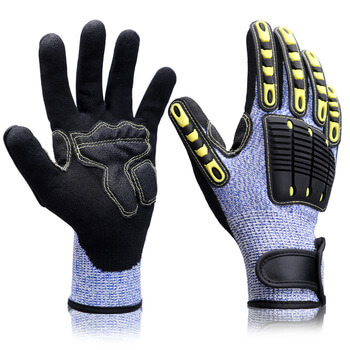
Style 1: TPR Impact-Resistant, Cut-Resistant, and Shock-Absorbing Woodworking Gloves

- ✅ Recommended Applications: Heavy-duty log cutting, operating power tools, handling large materials, rough carpentry on construction sites, and tasks involving frequent impact risks
- ✅ Key Materials: 10-gauge, 5-ply polyester lining; foam rubber coating on the palm; reinforced TPR impact-resistant pads on the back of the hand and knuckles
- ✅ Key Protection Features:
• 3D TPR cushioning structure provides impact and compression resistance, preventing injuries from wood pinching and bumps;
• Effectively absorbs mechanical vibrations, alleviating hand soreness and numbness caused by prolonged sanding and cutting;
• Reinforced wear-resistant layer resists wood chip abrasion and tearing, extending service life. - ✅ Product Benefits: Elastic cuffs fit snugly around the wrist to prevent wood chips from entering; non-slip texture on the palm ensures a secure grip on both dry and wet materials without restricting the full range of hand movement, balancing protection with flexibility.
Style 2: Nitrile-Coated, Sanded, Abrasion-Resistant, Non-Slip General-Purpose Woodworking Gloves

- ✅ Ideal for: Daily furniture making, sanding panels, trimming and drilling, wood assembly, interior carpentry, and mixed wet/dry conditions
- ✅ Core Materials: High-elasticity nylon knit liner or HPPE; sanded nitrile non-slip coating on the palm; breathable knit construction
- ✅ Key Protection Features:
• Exceptional abrasion and tear resistance, withstands prolonged friction from wood shavings during sanding, and prevents calluses and skin peeling;
• Nitrile coating repels water and oil, shielding hands from chemical stains and corrosion caused by wood glue, paint, and wood resins;
• Dense outer layer blocks penetration by fine splinters and dust, reducing puncture injuries and skin allergies; - ✅ Product Benefits: Lightweight and breathable, preventing sweat buildup during extended wear; the matte coating provides superior slip resistance, ensuring a secure grip on tools and smooth surfaces; offers excellent value for money, ideal for frequent daily use.
Style 3: Ultra-Thin PU High-Sensitivity Cut-Resistant Fine Woodworking Gloves
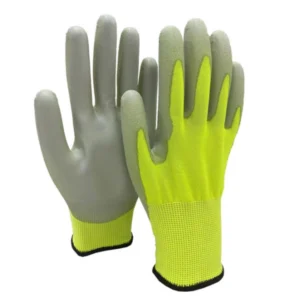
- ✅ Ideal for: Wood carving, fine edge trimming, precision drilling, small-scale handcrafted woodwork, model woodworking, and detailed sanding
- ✅ Key Materials: Ultra-thin HPPE cut-resistant liner, lightweight PU coating on fingertips, form-fitting stretch knit design
- ✅ Key Protection Features:
• Premium cut-resistant material that protects against sharp tools and thin wood splinters while remaining lightweight;
• Seamless, form-fitting cut with zero restriction at the fingertips, preserving bare-hand-level sensitivity;
• Dust and splinter protection to prevent fine wood splinters and dust from damaging delicate skin. - ✅ Product Benefits: Extremely lightweight and breathable, allowing for natural finger flexion and precise manipulation; lightweight design ensures no sense of heaviness during prolonged, detailed work, making it the top choice for artisans.
Style 4: PVC-Dotted Breathable Lightweight Carpentry Gloves

- ✅ Recommended Uses: Light-duty wood handling, simple manual assembly, basic yard carpentry, and short-term, temporary carpentry tasks
- ✅ Key Materials: Thickened breathable polyester-cotton fabric with a non-slip PVC dot coating on the palm
- ✅ Key Features:
• Highly effective slip resistance and abrasion resistance, providing basic protection against wood abrasion and minor impacts;
• Cotton fabric absorbs moisture and breathes well; cost-effective, suitable for short-term, low-intensity protection needs. - ✅ Product Advantages: Soft and skin-friendly with excellent breathability; exceptional value for money, ideal for bulk purchases, temporary tasks, and simple outdoor woodworking projects.
- ✅ Recommended Uses: Wood finishing,
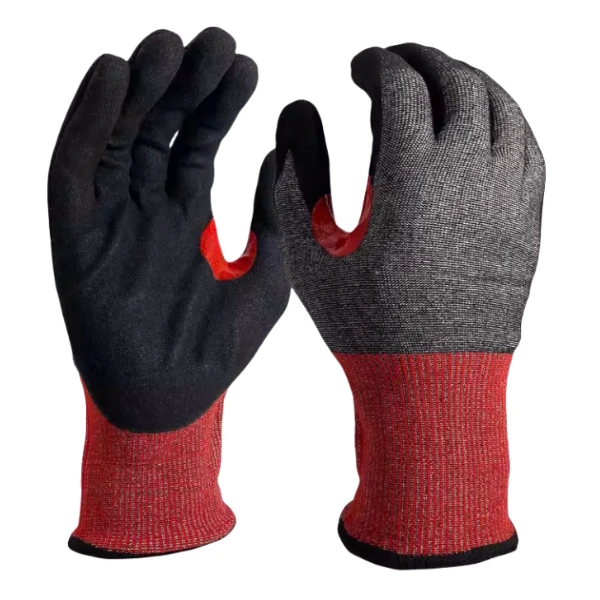
 spray painting, manual brush application, paint mixing, and cleaning tools after spraying. Resists corrosion from chemicals such as paint, thinners, and hardeners, and is suitable for the entire wood finishing process
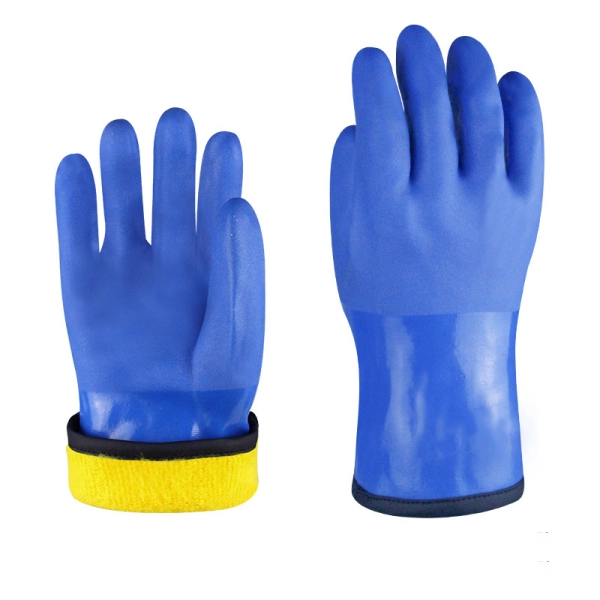
 - ✅ Core Materials: Soft PVC coating + skin-friendly lining; the outer layer is made of nitrile rubber with a matte finish. Latex-free, safe, and non-irritating, meeting environmental standards. Suitable for direct contact with various wood finishes and chemical additives.
- ✅ Key Protection Features:
– Superior chemical corrosion resistance and solvent resistance effectively block the penetration of chemicals such as paints, thinners, and hardeners, preventing skin allergies, redness, and cracking;
– Waterproof, oil-resistant, and abrasion-resistant to prevent paint from adhering to hands, making cleaning easy while withstanding minor friction and impacts;
– The textured surface enhances slip resistance, ensuring a secure grip on spray guns, brushes, and rollers to maintain application precision and prevent paint splatter and waste.
– The material is soft, durable, and breathable, preventing sweat buildup and discomfort during prolonged wear. It is suitable for extended painting tasks and offers some resistance to acids and alkalis, making it adaptable to various painting conditions. - ✅ Product Advantages: Eye-catching red color for easy identification; extended cuffs prevent paint mist and splatter from entering the sleeves; odorless and non-irritating, suitable for those with sensitive skin; balances protection with operational flexibility, making it the ideal protective glove for woodworking spray painting tasks.

- ✅ Recommended Uses: Precision touch-up painting, painting small woodworking items, paint mixing, temporary contact with paint or thinners, as well as quick hand protection and cleaning after spraying. Ideal for short-term, high-frequency replacement in spray painting applications
- ✅ Core Material: 100% synthetic nitrile rubber; latex-free, protein-free, silicone-free, and phthalate-free. Meets food-grade safety standards. Soft and skin-friendly with a form-fitting design for flexible handling.
- ✅ Key Protection Features:
– Resists chemical penetration, oil, and solvents; effectively isolates chemicals such as paint and thinners to prevent skin irritation and corrosion; also offers puncture resistance to protect against small particles.
– Powder-free design prevents powder contamination of painted surfaces, ensuring optimal spray results for woodworking projects; the smooth, non-stick surface allows for direct disposal after use, eliminating the need for tedious cleaning.
– Highly elastic and tear-resistant, the Best Woodworking Gloves conform to fingertips without compromising precision during fine spraying or touch-up work, making them ideal for scenarios requiring dexterity. They also feature excellent anti-static properties to prevent paint mist adhesion. - ✅ Product Advantages: Single-use, hygienic, and convenient, preventing cross-contamination; blue color for easy identification in different usage scenarios; moderate thickness balancing protection and sensitivity; high cost-effectiveness, suitable for bulk purchases; ideal for temporary spraying and precise touch-ups.
In summary, no safety glove is perfect, and there is no single “best woodworking gloves” —only the most suitable one.
Carpenter: It requires you to assess your work environment, be aware of potential hazards during operations, and follow proper safety protocols. On this foundation, ensure your own safety by selecting protective gear that best suits your needs. The key to choosing the best woodworking gloves is finding a pair that fits your specific work scenarios and needs. There is no need to pursue high-priced or “all-purpose” options. Instead, consider your type of work, protection requirements, and work environment to select gloves that balance practicality and comfort. We hope every carpenter can find the perfect pair of work gloves to ensure their safety on the job.


